Web Reference: 1 day ago · As mentioned in the Overview, Python distinguishes between binary and text I/O. Files opened in binary mode (including 'b' in the mode argument) return contents as bytes objects without any decoding. In this tutorial, you'll learn about Python's bytes objects, which help you process low-level binary data. You'll explore how to create and manipulate byte sequences in Python and how to convert between bytes and strings. Additionally, you'll practice this knowledge by coding a few fun examples. Definition and Usage The bytes() function returns a bytes object. It can convert objects into bytes objects, or create empty bytes object of the specified size. The difference between bytes() and bytearray() is that bytes() returns an object that cannot be modified, and bytearray() returns an object that can be modified.
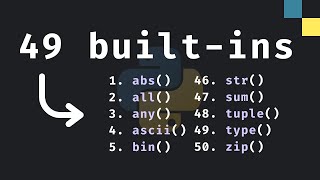
YouTube Excerpt: How many did you know? A quick rundown of EVERY single one of the 71
Information Profile Overview
Python Built In Bytes Function - Latest Information & Updates 2026 Information & Biography

Details: $28M - $70M
Salary & Income Sources
Career Highlights & Achievements




Assets, Properties & Investments
This section covers known assets, real estate holdings, luxury vehicles, and investment portfolios. Data is compiled from public records, financial disclosures, and verified media reports.
Last Updated: April 6, 2026
Information Outlook & Future Earnings

Disclaimer: Disclaimer: Information provided here is based on publicly available data, media reports, and online sources. Actual details may vary.