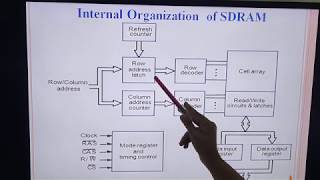
Web Reference: Asynchronous DRAM operates independently of the system clock, meaning it does not require any external timing signals. It is simpler and cheaper but has slower access times. On the other hand, Synchronous DRAM is synchronized with the system clock, allowing for faster data transfer rates. Jul 11, 2025 · Rambus DRAM (RDRAM): The RDRAM provides a very high data transfer rate over a narrow CPU-memory bus. It uses various speedup mechanisms, like synchronous memory interface, caching inside the DRAM chips and very fast signal timing. SDRAM synchronous DRAM, or synchronous dynamic random-access memory, synchronizes with the system clock. This synchronization allows it to achieve higher speed and efficiency, making it ideal for modern computing. In contrast, asynchronous DRAM operates independently of the clock.
YouTube Excerpt: In this video from ITFreeTraining I will look at
Information Profile Overview
Asynchronous And Synchronous Dram - Latest Information & Updates 2026 Information & Biography

Details: $8M - $50M
Salary & Income Sources
Career Highlights & Achievements



Assets, Properties & Investments
This section covers known assets, real estate holdings, luxury vehicles, and investment portfolios. Data is compiled from public records, financial disclosures, and verified media reports.
Last Updated: April 4, 2026
Information Outlook & Future Earnings

Disclaimer: Disclaimer: Information provided here is based on publicly available data, media reports, and online sources. Actual details may vary.